
Write a short summary for travelers before publishing this guide.
Every summer the same question shows up in family WhatsApp groups: "Is it safe to go this year?" Someone shares a news clip, someone else shares a Hunza reel, and the trip gets stuck between the two.
So, is Pakistan safe for tourists in 2026? Yes, for most trips to most tourist areas. But the honest answer has a second half. The risks local tourists actually face are rarely the ones on the news. They're bad roads, bad weather, a snatched phone, or a hotel booking that didn't exist. This guide covers those real risks and how to handle them.
Short Answer: Yes, If You Pick the Right Places and Plan Well
Popular tourist regions in Pakistan see millions of local visitors every year without trouble. Northern areas, Islamabad, Lahore and the main highways have tourist police, checkpoints and heavy footfall. Trouble tends to happen in remote border regions that tourists don't go to anyway.
The real difference between a safe trip and a bad one comes down to three things: where you go, when you go, and how you travel there.
Which Areas Are Safe for Tourists in 2026?
Safe and popular regions
- Gilgit-Baltistan: Hunza, Skardu, Gilgit, Fairy Meadows and Khunjerab are the safest tourist regions in the country. Crime is very low and locals depend on tourism.
- Khyber Pakhtunkhwa's tourist belt: Naran, Kaghan, Swat, Kalam, Nathia Gali and Chitral are well patrolled, especially in peak season.
- Punjab: Murree, Lahore, Taxila and the Salt Range are busy and family-friendly.
- Islamabad: Widely considered one of the safest cities in the region.
- Azad Kashmir: Neelum Valley and Muzaffarabad are safe on the main routes.
If you want a full plan for the north, read our [Hunza Valley travel guide] and [Naran Kaghan trip plan].
Areas to avoid or that need permission
Skip most of interior Balochistan outside Quetta, districts along the Afghan border, and areas close to the Line of Control. Some of these need an NOC (no-objection certificate) anyway, and you won't get past checkpoints without one. This isn't fear-mongering. It's just where the security situation is different, and none of these places are on a normal tourist route.
The Biggest Risk for Local Tourists: Roads and Weather
Here's the part most safety guides skip. For Pakistani tourists, the road is more dangerous than any security threat.
Mountain road safety
- Don't drive mountain roads at night. Roads to Naran, Skardu and Hunza are narrow, unlit and often without barriers. Plan to reach your hotel before dark.
- Hire a local jeep driver for jeep tracks. Fairy Meadows, Deosai and Ratti Gali tracks are not for a sedan or an inexperienced driver, no matter how good your car is.
- Check Babusar Top status before you leave. It closes in winter and shuts suddenly in bad weather. Our [Babusar Top opening dates] page stays updated.
- Take breaks and go slow above 3,000 metres. Altitude sickness is real at Khunjerab and Deosai, especially for kids and older relatives.
Monsoon, landslides and flash floods
July and August are peak holiday season and peak monsoon. That combination causes most tourist emergencies in the north. Landslides block the Karakoram Highway, flash floods hit riverside camps, and the Met Department issues GLOF (glacial lake outburst flood) alerts for parts of GB and KP.
Simple rules: check the weather forecast every morning, never camp right next to a river or nullah, and if locals tell you a road is risky, believe them.
City Safety: Karachi, Lahore, Islamabad
Big cities are safe for tourists with normal city sense.
- Karachi: Mobile phone snatching is the main problem. Keep your phone away from the window in traffic, avoid showing expensive devices on the roadside, and use ride-hailing apps late at night instead of walking. Stick to well-known areas like Clifton, Saddar and the food streets.
- Lahore: Generally safe. Watch pockets in crowded bazaars and Walled City lanes. Winter smog is a health concern for kids and asthma patients.
- Islamabad: Very safe. The Margalla trails are fine in daylight, but don't hike alone late in the evening.
Planning a city trip? See [things to do in Karachi] for safe, family-friendly spots.
Common Scams That Ruin Trips
Scams cost domestic tourists more money than crime does.
- Fake hotel pages on social media. Someone takes a deposit for a Hunza "resort" that doesn't exist. Book through known platforms or call the hotel on a number from Google Maps, not from a Facebook ad.
- Peak-season overpricing. Rooms in Naran can double in price on the spot. Book ahead and get the rate in writing.
- Jeep and boat "package" upselling. Agree on the price, the stops and the return time before getting in.
- Unofficial "guides" at historical sites. Ask for official guides at the ticket counter.
Safety Tips for Families and Women Travellers
Pakistan is friendlier to family travellers than most people expect, and women travellers, solo or in groups, are now common in the north.
- Travel with at least one other person in remote areas.
- Choose hotels with good reviews and a proper front desk, not isolated guesthouses found on the spot.
- Get a local SIM that works where you're going. In Gilgit-Baltistan, SCOM usually has better coverage than the big networks.
- Share your live location with someone at home.
- Keep kids' medicines, a power bank and warm layers in the car, even in summer.
Emergency Numbers Every Tourist Should Save
Save these before you leave, because signal can be patchy when you need them.
- 1422 — Tourist Helpline / Tourist Police in Gilgit-Baltistan, Khyber Pakhtunkhwa and Azad Kashmir. KP also runs tourist facilitation centres and tourism police at key sites through this number.
- 1421 — Punjab Tourism Squad for Murree and other Punjab tourist spots.
- 1122 — Rescue for medical and road emergencies, well established in Punjab and KP.
- 15 — Police
- 1915 — Motorway Police
You can get a rough sense of daily costs, including safety extras like insurance, in our [Pakistan travel budget guide].
FAQs
Is northern Pakistan safe for tourists in 2026? Yes. Hunza, Skardu, Naran and Swat are the safest tourist regions in the country. The main risks are road accidents and weather, not crime.
Is it safe to travel to Pakistan's northern areas with family? Yes, thousands of families do it every summer. Avoid night driving, hire local jeep drivers for rough tracks, and pack for cold weather even in July.
Is Karachi safe for tourists? For daytime visits to popular areas, yes. Phone snatching is the main concern, so keep devices out of sight in traffic and use ride-hailing apps at night.
Should I travel to the north during monsoon? You can, but check forecasts daily, avoid riverside camping, and keep one spare day in your plan for road closures.
What is the tourist helpline number in Pakistan? Dial 1422 in Gilgit-Baltistan, KP and AJK for tourist police, 1421 for the Punjab Tourism Squad, and 1122 for rescue services.
More from the Journal

Pakistan first city karachi
5 min read · Aug 27, 2026
Write a short summary for travelers before publishing this guide.
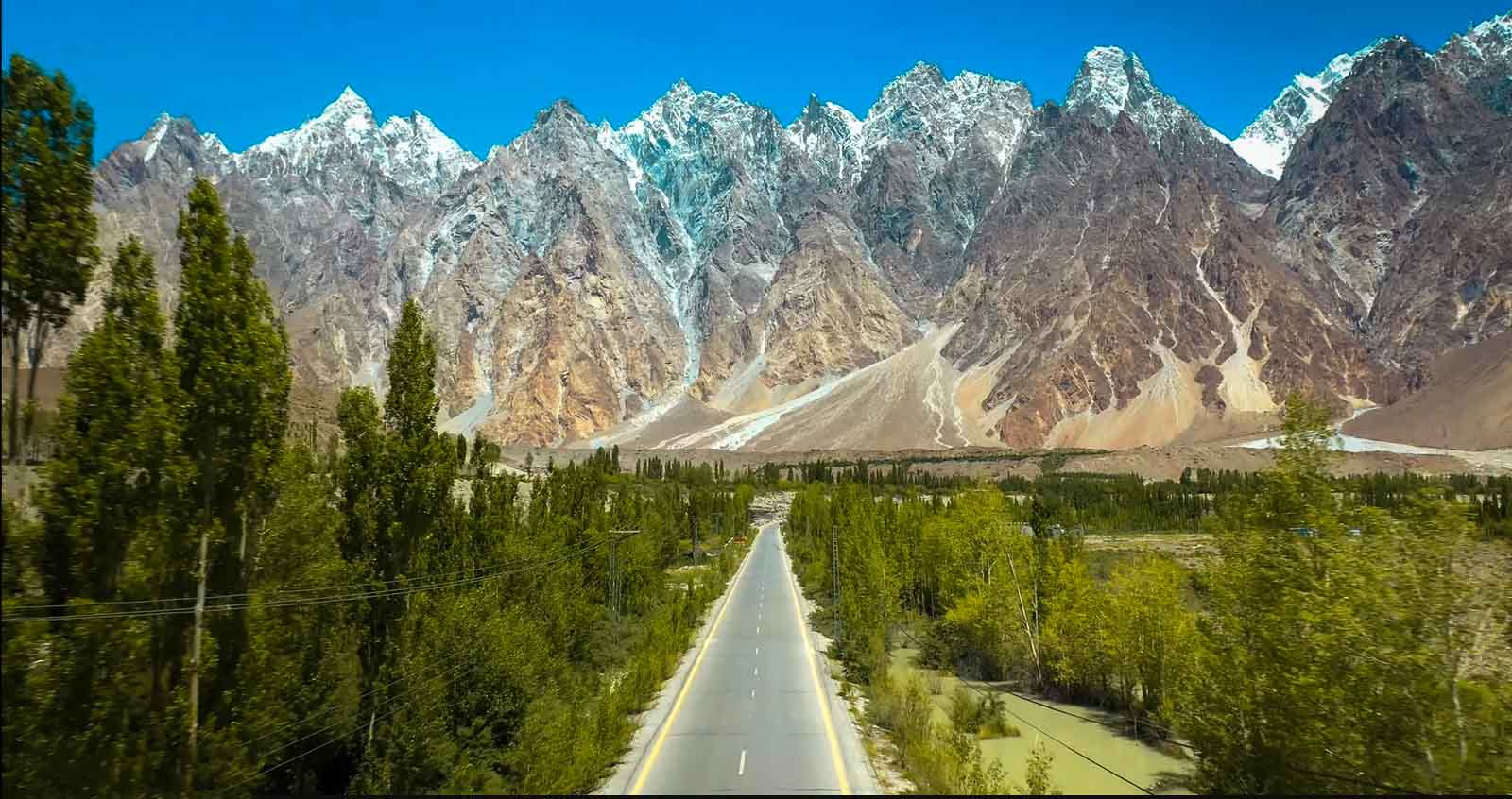
The Ultimate Guide to Hunza Valley
6 min read · Jun 12, 2026
Everything you need to know before chasing turquoise lakes and snow-capped peaks in the north.
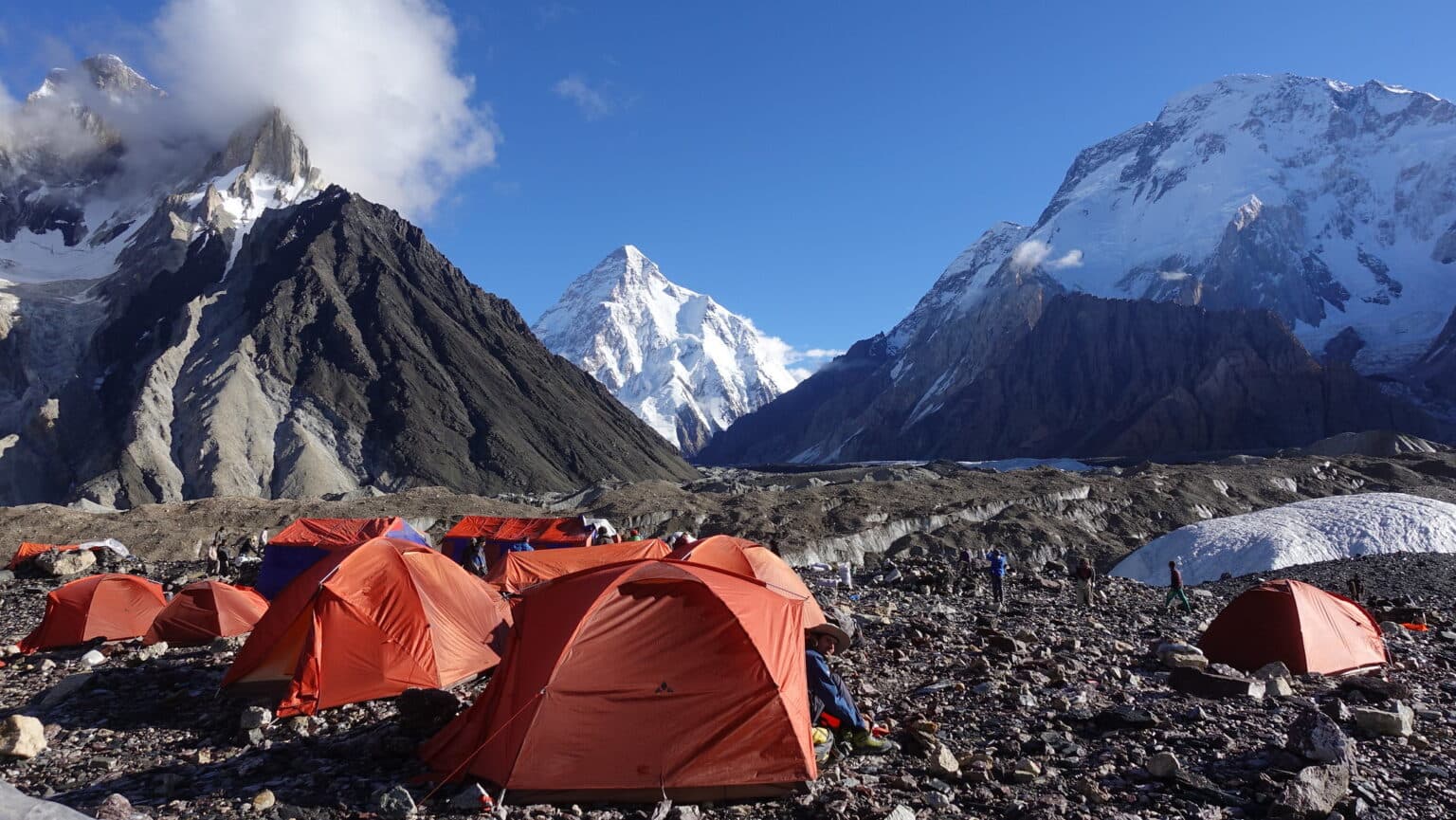
K2 Base Camp Trek: What to Know Before You Go
8 min read · May 28, 2026
A realistic breakdown of difficulty, permits, gear, and the best trekking season.